Post | January 2024 | 1 min read
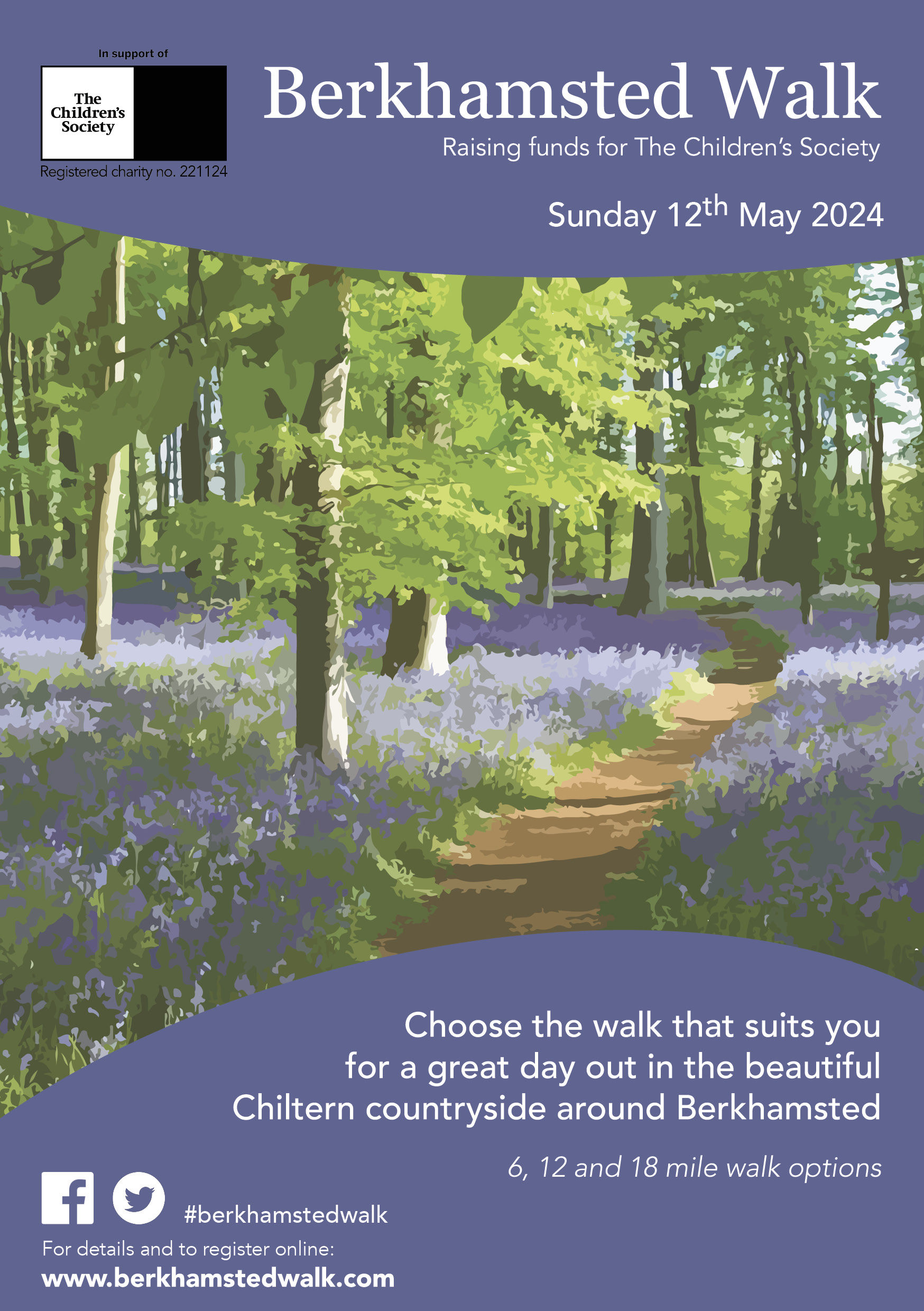
The Berkhamsted Walk raising funds for The Children's Society

We'd love walkers to register and if anyone wants to sign up to volunteer on the day then we'd be happy to have you!
Discover more: The Berkhamsted Walk – Berkhamsted's Oldest Walk
Sunday 12th May
Related Posts


The Big Clean: A Nationwide Effort to Tackle Litter
The Big Clean: A Nationwide Effort to Tackle Litter
The Big Clean is an annual event dedicated to making a significant impact on litter reduction across the country. Running from March 18th to March 31st , this initiative encourages individuals, community groups, and local organisations to come together to clean up their towns and green spaces. Volunteers from all walks of life take part, collecting rubbish and raising awareness about the importance of keeping public spaces clean.
If you’re looking to get involved in a local litter-picking initiative, one group making a big difference is the Wheathampstead Wombles . This dedicated team of volunteers works year-round to keep the village clean. Below, we speak to a representative from the group about their efforts.
About Wheathampstead Wombles
The Wombles have been active for several years, but I took over around 8–10 months ago. Since then, we have been working to keep the village clean through regular litter-picking efforts.
Our Weekly Clean-ups
Once or twice a week, a small group of three or four volunteers selects a local road or lane to clean. We spend a couple of hours collecting rubbish from the lane and its hedgerows. Later that day, Veolia usually collects and disposes of the rubbish.
We share updates about our activities on the Wheathampstead Network Facebook page to keep the community informed.
Larger Community Litter-Picks
A couple of times a year, we organise a big Wombles litter-pick, encouraging wider community participation. Around 100 people in the village have expressed an interest in helping, so I email them in advance. Those who can join us, usually on a Saturday or Sunday morning, help clean areas of the village that aren’t maintained by us. We’ve also given out some small handheld litter pickers that people can take on walks and use to pick up litter. We also help out with other community initiatives like planting hedgerows or clearing local overgrown bridleways.
Biggest Challenges
One of our main challenges is tackling casual littering, especially in the high street and along some of the busier roads in the village. However, we believe that by maintaining a consistently clean environment, it discourages people from dropping litter in the first place.
Impact
People often comment on how clean Wheathampstead and its local roads are, and I think anyone that drives into London can see what a difference we make to the environment.
Plans for Expansion
We would like to develop an app or website to track the areas we have cleaned. This would help us monitor progress and raise awareness. To achieve this, we are reaching out to local community groups for support in planning and developing the app.
If you’d like to get involved with The Big Clean , consider joining the Wheathampstead Wombles to make a lasting impact in your community. Click here to apply.
See more
The Impact of Young Trustees
Trustees play a critical role in steering a charity and ensuring operational effectiveness. Traditionally, trustees have been seasoned professionals, with years of experience, but there is a growing recognition that people of all ages and from all backgrounds can have something equally valid to contribute to trustee boards. Bringing younger people into your charity can be a positive move for all concerned! Currently, less that 3% of charity trustees are under the age of 30, making it difficult for boards to be truly representative.
Fresh perspectives & Innovation:
Young trustees can bring fresh perspectives to your board – looking at things in ways that may not have occurred to existing members. If your board is a safe, welcoming and inclusive place, they can challenge the status quo and introduce innovative ideas.
Different age groups tend to have different interests and use different websites and social media channels. Younger people are likely to have a different perspective on contemporary issues, technologies and cultural trends, allowing them to spot opportunities and threats that may not be evident to others. In the rapidly changing world we live in, this can help you stay relevant and responsive.
Digital competence:
These days, like it or not, technology is everywhere! Schools have well-equipped multi-media suites – a long way from the single BBC Basic computer at my Junior School! Put simply, younger trustees will have grown up with technology being very much a part of everyday life and are likely to possess a high degree of digital competence, understanding social media, digital marketing and the importance of data analytics.
Digital expertise can really help charities looking to modernise operations, improve communication strategies and engage a wider audience. Young trustees can lead initiatives to upgrade your charity’s digital infrastructure.
Inclusive boards:
Young trustees will help in making your board more diverse and better represent the community you are serving. Young people are often under-represented in decision-making roles, but can frequently be beneficiaries or key stakeholders of many charitable initiatives. Younger trustees will offer a lot to any board, but particularly to those of charities working with younger people. They can provide first-hand insights, helping to develop more relevant and impactful programmes.
Succession planning & Sustainability:
Having younger trustees on your board can also be a strategic move for long term sustainability; as existing trustees retire or step down, having some younger, yet experienced, trustees waiting in the wings can be a real asset and ensure continuity and stability.
Increased engagement and energy:
Young trustees can be great role models and advocates, encouraging other younger people to get involved as future trustees and volunteers. They can bring an infectious energy and enthusiasm to their roles.
Want to know more?
Take a look at the Young Trustees Movement: Young Trustees Movement
Search for a Trustee role on GoVolHerts: https://www.govolherts.org.uk/trustee-opportunities
See more
What is a charity trustee and how can I find a trustee role that suits me?
Charity Trustees are those responsible for the running of a charity, giving direction and making strategic decisions. It’s a responsible role, but people from all walks of life are needed, as if trustees are all from the same socio-economic background with similar experiences, a board will be lacking in different perspectives and innovation.
Here’s a brief guide to what it means to be a trustee and how to find a trustee role that suits you.
What is a trustee?
Trustees are responsible for the overall governance and strategic direction of a charity. They make sure that the charity is well run, financially stable and fulfilling its identified purpose.
Who can be a trustee?
Most people! With some organisations, you can be a trustee from 16 years of age. You may be disqualified if you have ever been declared bankrupt or with certain unspent criminal convictions. If the charity works with children or vulnerable adults, you will likely need a Disclosure & Barring Service (DBS) check.
Why would I want to be a trustee?
As with any voluntary role, everyone has their own reasons! It may be a charity that you want to support, one where you have relatable experiences to contribute, or it could be that you want to gain some experience and new skills to support your professional career – there are all perfectly valid reasons!
How do I find a trustee role?
Think about the type of charity that you would like to be a trustee for. You might be passionate about the environment, have experience of a particular medical condition or want to really support your local community. You’ll be a better fit if the charity is one you have an interest in and are potentially knowledgeable about the issues they may be facing. Think about the skills that you will being to the table – some charities will be looking for new trustees to fill particular roles. You may also want to ask about meeting frequency and times (daytime or evening) and location, to ensure that you would be able to attend.
At GoVolHerts, we have a dedicated page where you can find all of the current trustee vacancies from our organisations in one place: https://www.govolherts.org.uk/trustee-opportunities
Other considerations:
If you’re not sure if this is a role for you, or if a charity you particularly want to support doesn’t currently have a trustee vacancy, it’s still worth making contact. Let them know you’re interested and ask if you could attend a board meeting as an observer to get a feel for what is required. Trustees serve for a fixed term – often 3 years – so board will be looking for new members at some point. If a particular project is coming online within the organisation, they may also be looking for different skills, perhaps in IT or HR.
For more detail on the role of a trustee, NCVO have produced guidance: What is a trustee? | NCVO
See more