Post | July 2026 | 5 min read
Be The Good Summit: Rethinking Volunteering for the Future

Last week 75 Volunteer Managers from across Hertfordshire joined North Herts & Stevenage CVS for a morning of learning, networking and sharing ideas at the first Be The Good Volunteering Summit.
Despite the heat, The Be The Good Summit brought together passionate people from across the voluntary sector with one shared purpose, to explore how we can create a stronger, more inclusive future for volunteering and retain loyal and committed volunteers - and let them go when they are ready to.
Throughout the day, several themes emerged time and time again – inspiration, connection, collaboration, belonging, purpose and funding. While each organisation faces its own challenges, one message was clear; we are stronger when we work together.
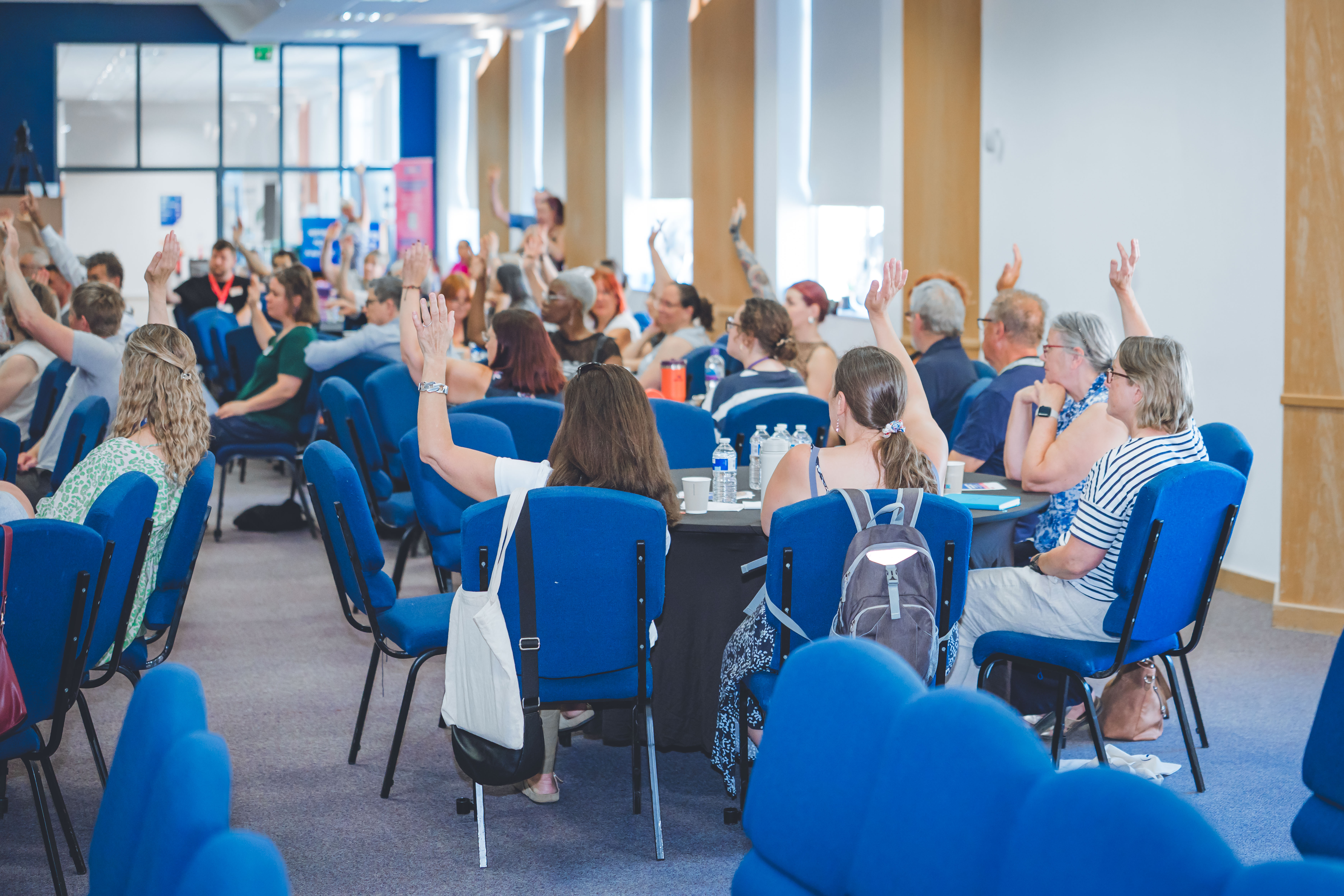
"How many of you have volunteered before?"
Why do people volunteer?
One of the most powerful discussions focused on the motivations behind volunteering. Whilst every volunteer has their own unique reason for giving their time, many common themes emerged.
For some, volunteering is an opportunity to develop leadership skills or gain valuable experience that shape their career. For others, it's about feeling part of something bigger.
As CEO of North Herts & Stevenage CVS, Hannah Morgan-Gray beautifully shared within her welcome speech:
"It has enriched my life in many ways that I couldn't have imagined."
Sharing her journey of her first volunteer experience as a teenager, to landing her first charity role, Hannah reflected on her journey, and career, of volunteering and charity work and proved a wonderful example that volunteering is something that becomes ingrained in us and seldom leaves us once we start.
In addition to looking for employment or upskilling for a future career, various other reasons for volunteering were shared - wanting to meet local people having recently moved to the area, being passionate about the cause, a family member using their services, having a skill that was needed or wanting to take a leadership step up.
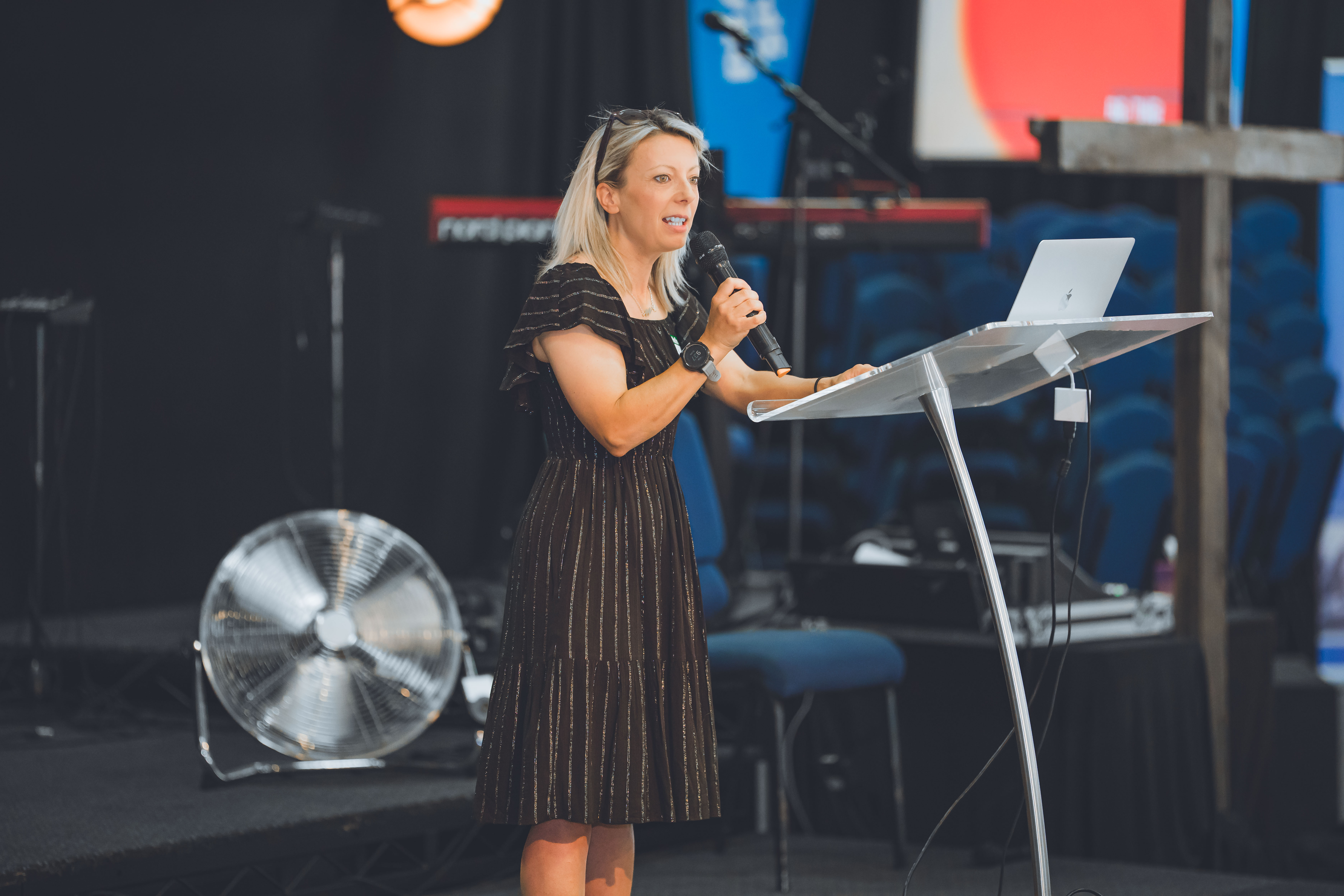
Hannah Morgan-Gray delivering her welcome speech at the summit.
Understanding today's volunteering landscape
Volunteer engagement expert Rob Jackson FRSA delivered a thought-provoking presentation exploring how volunteering has evolved over recent years.
He started by looking back to a time when communities relied on the kindness of volunteers during the Covid pandemic, which saw an initial surge in volunteering as many people found themselves with more free time. However, as workplaces reopened, people's availability changed once again.
Family priorities have also shifted. Many retirees are spending more time caring for grandchildren or remaining in employment for longer, reducing the time they can dedicate to volunteering.
Formal volunteering has seen a steady decline in volunteering since 2000, and since 2020 (and the start of Covid), participation is down around 9% and comparing to a decade ago, it's down 17%.
During the second lockdown alone, around six million fewer people volunteered. However what was interesting was that despite these statistics, Wales, Scotland and Northern Ireland have largely recovered volunteer numbers following Covid, England continues to lag behind.
Contemplating why this was the case, he highlighted how wider societal issues affect volunteering: times of crisis, such as war or humanitarian emergencies, often inspire people to help and, in contrast, how financial pressures can reduce volunteering, particularly when volunteering comes with associated costs such as travel, uniforms or training.
However, there was also optimism! Between 2000 and 2015, volunteering among 16–24-year-olds increased significantly, demonstrating that younger generations are willing to volunteer when opportunities meet their needs.
Rob's overall message was clear: volunteering doesn't exist in isolation, it reflects what's happening across society and despite the numbers of people volunteering decreasing, there are still people out there who want to volunteer, we may just need to change the way in which we ask for help.
Are we making volunteering too difficult?
Reflecting on the numbers, much thought spread across the room on whether we inadvertently make volunteering too difficult, with feedback from Rob that volunteering can sometimes feel too much like paid employment.
Lengthy application forms, extensive onboarding processes, DBS checks and rigid expectations can unintentionally discourage people before they've even started.
There is also a growing perception that volunteering requires a long-term commitment, when many people simply want opportunities that fit around busy lives.
Rather than placing additional pressure on existing volunteers through what Rob described as "guilt-trip retention", organisations should focus on creating positive volunteer experiences that people genuinely want to return to and that the charity or organisation forms around them, rather than the volunteering moulding themselves to their needs.
After all, volunteers are far more than extra pairs of hands; they become advocates, donors, future employees and ambassadors for our organisations and looking after our volunteers today helps strengthen charities, and our communities for years to come.
Have we adapted volunteering to fit volunteers?
One of the biggest takeaways from the summit challenged a question many organisations ask:
"Why don't people volunteer anymore?"
Instead, speakers encouraged us to ask:
"Have we adapted volunteering to fit volunteers?"
Modern life has changed significantly. Work commitments, family responsibilities, the lasting impact of Covid, and the increasing cost of living all influence whether someone feels able to volunteer.
Expenses were highlighted as a particularly important issue. If organisations expect volunteers to cover travel or other costs themselves, this creates barriers for many people. As discussed during the summit, volunteering cannot truly be considered equitable or inclusive if expenses aren't covered.
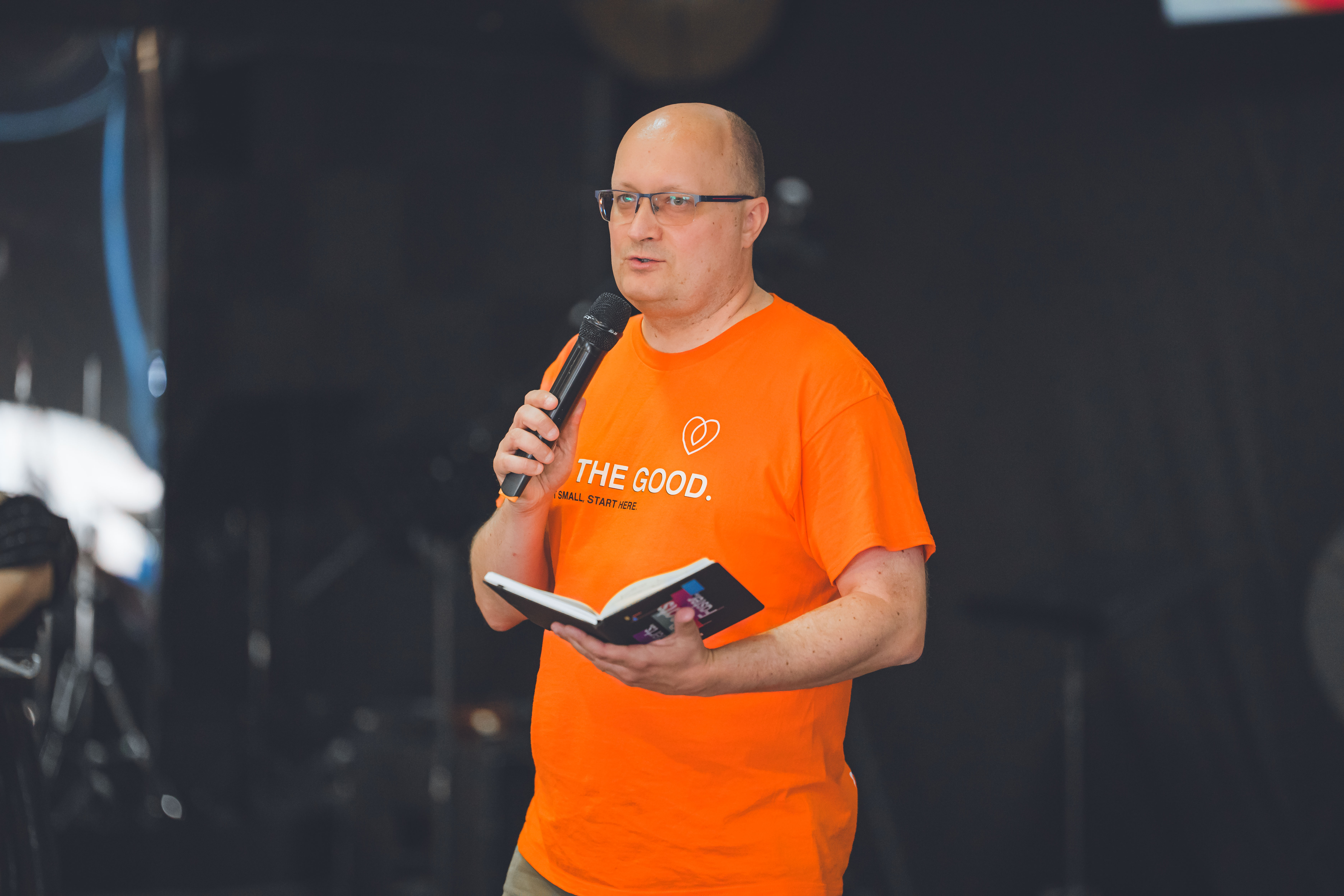
Event Manager, Michal Siewniak posing questions for thought
Finding new opportunities
Rather than focusing solely on why people volunteer, the summit encouraged organisations to think about the barriers preventing people from getting involved.
Some practical ideas included:
- Creating opportunities for volunteers to get involved before DBS checks and paperwork are completed, where appropriate.
- Making volunteering more flexible through simple approaches such as WhatsApp groups offering one-off opportunities rather than fixed commitments.
- Working more closely with businesses to expand corporate volunteering opportunities that fit around employees' working lives.
- Connecting with estate agents and letting agencies to share volunteering opportunities with people who are new to an area and looking to build local connections.
- Asking volunteers about their experiences elsewhere and collaborating with other organisations instead of competing for volunteers.
The importance of collaboration consistently flowed throughout the summit. Whether sharing volunteers, supporting fundraising events or exchanging ideas, there is huge value in organisations working together rather than in isolation.
Looking ahead
Perhaps the biggest takeaway from the Be The Good Summit was that volunteering is changing and organisations need to change with it.
By creating flexible opportunities, listening to volunteers, removing unnecessary barriers and embracing collaboration, we can build volunteer programmes that are more inclusive, sustainable and rewarding for everyone involved.
As organisations, we must shift our focus away from simply asking what volunteers can do for us and instead consider what volunteering can do for them.
Because when people find purpose, belonging and meaningful experiences through volunteering, everyone benefits.
All images taken by Tony Prezio, Hitchin TV.